
Basic machine embroidery tools for Beginners

Must-have tools and materials for successful machine embroidery
Getting started with machine embroidery does not require a huge collection of tools. However, having the right basics makes embroidery easier, more predictable, and much more enjoyable.
Here are the tools and materials I consider essential for machine embroidery.
Embroidery Hoops
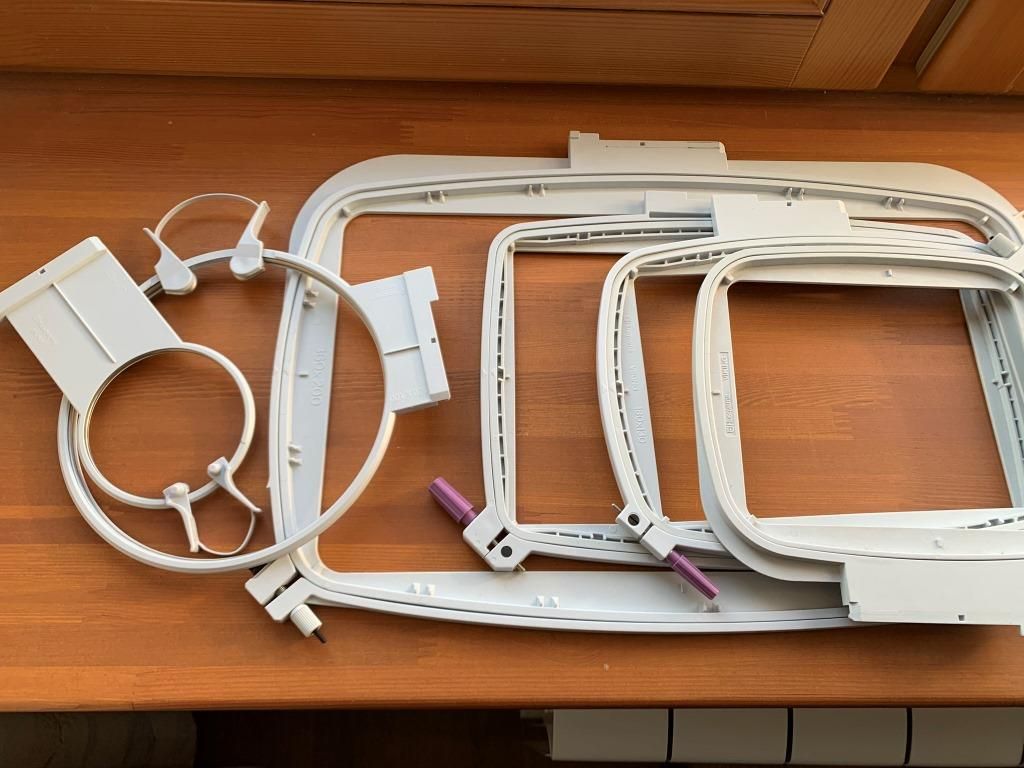
Most embroidery machines come with at least one hoop, and additional hoop sizes are usually available for purchase.
The hoop size determines the maximum embroidery area your machine can stitch. Check your machine manufacturer’s specifications or ask your dealer which additional hoop sizes are compatible with your machine.
A larger hoop allows you to embroider larger designs. However, for the best results, choose a hoop that is as close as possible to the size of your design.
Embroidery Thread
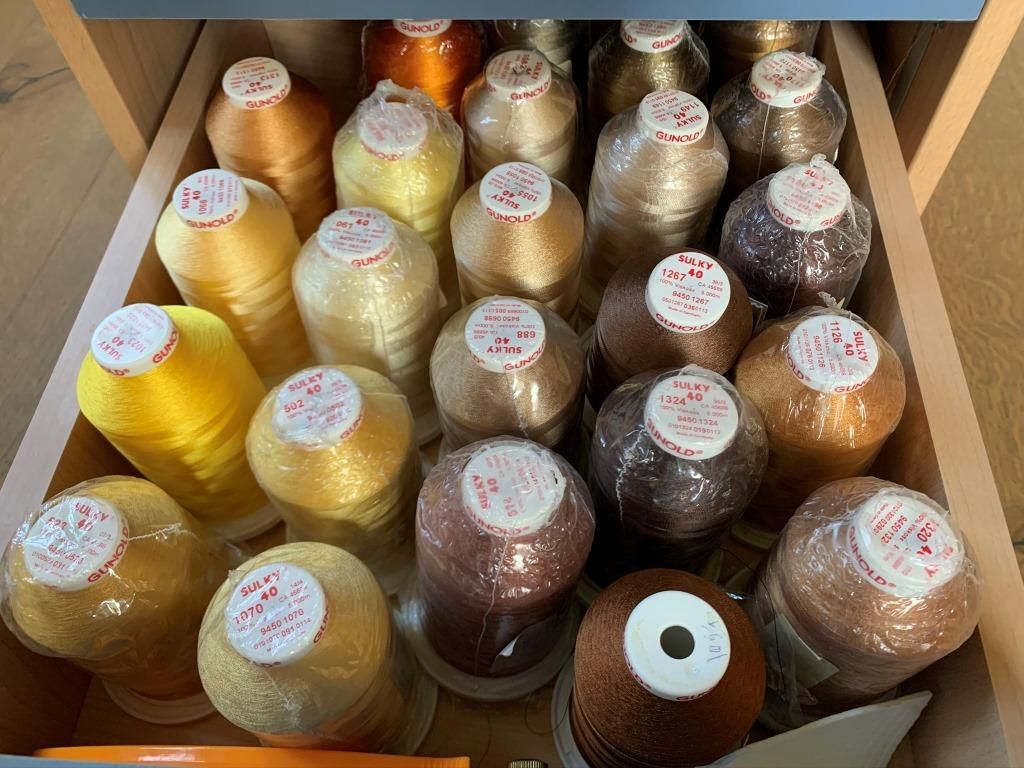
Embroidery thread is generally finer and more suitable for machine embroidery than standard all-purpose sewing thread. It provides good coverage and is designed to run smoothly at embroidery speeds.
Rayon (Viscose)
Rayon, also known as viscose, has a beautiful high-gloss finish and is especially attractive for decorative and artistic embroidery.
However, it is more delicate than polyester and can be more prone to thread breaks during embroidery. It is also not bleach resistant.
Polyester
Polyester embroidery thread is a practical choice for items that will be washed frequently.
It is durable, colorfast, and bleach resistant, making it particularly suitable for clothing, household textiles, and other projects that need regular care.
Specialty polyester embroidery threads are available in a wide range of colors and can have a beautiful reflective surface that gives them a shine similar to rayon.
Cotton
Cotton thread can also be used with embroidery machines.
I especially like cotton thread for freestanding lace (FSL) because it gives the finished lace a beautiful vintage, handmade-crochet look.
Bobbin Thread
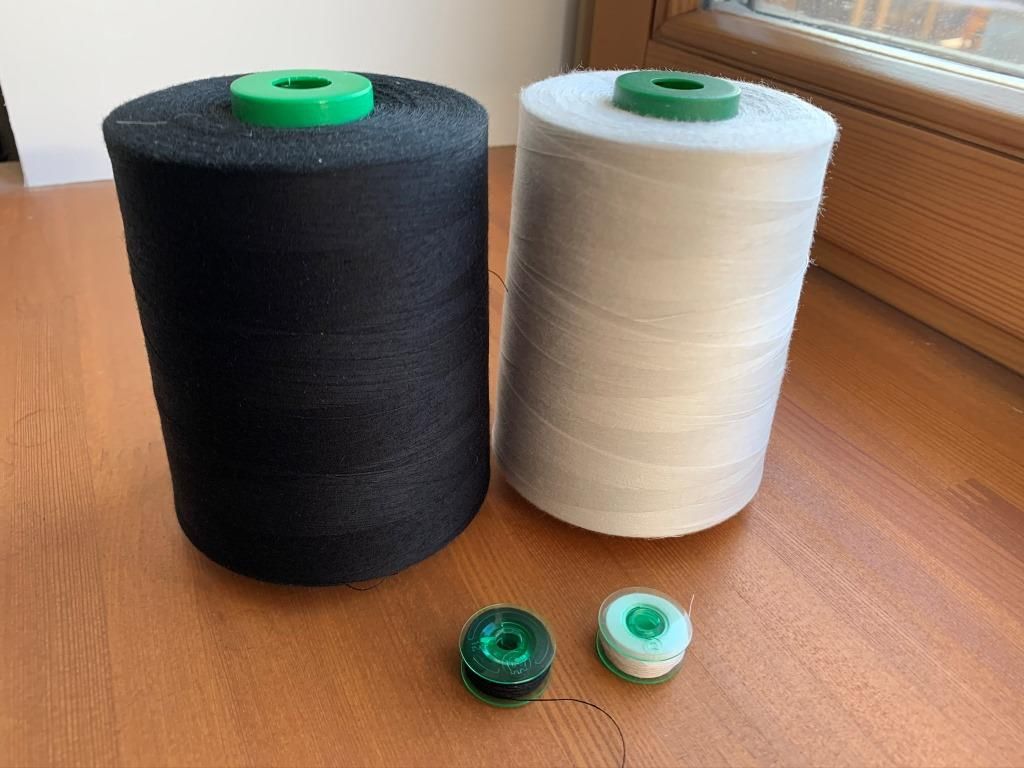
For most machine embroidery projects, use a lighter-weight thread in the bobbin than in the needle.
A common choice is 60 wt bobbin thread. The difference in thread weight helps the needle thread form the embroidery on the front of the fabric while keeping the back of the design neat and professional.
The bobbin thread does not have to match the needle thread because it normally does not show on the right side of the fabric.
White bobbin thread is commonly used, but for embroidery on dark fabrics, you can use black bobbin thread instead.
If you embroider frequently, large cones of bobbin thread can be more economical than small spools. I personally prefer 15000 m cones by Gunold (approximately 16,400 yards).
Needles
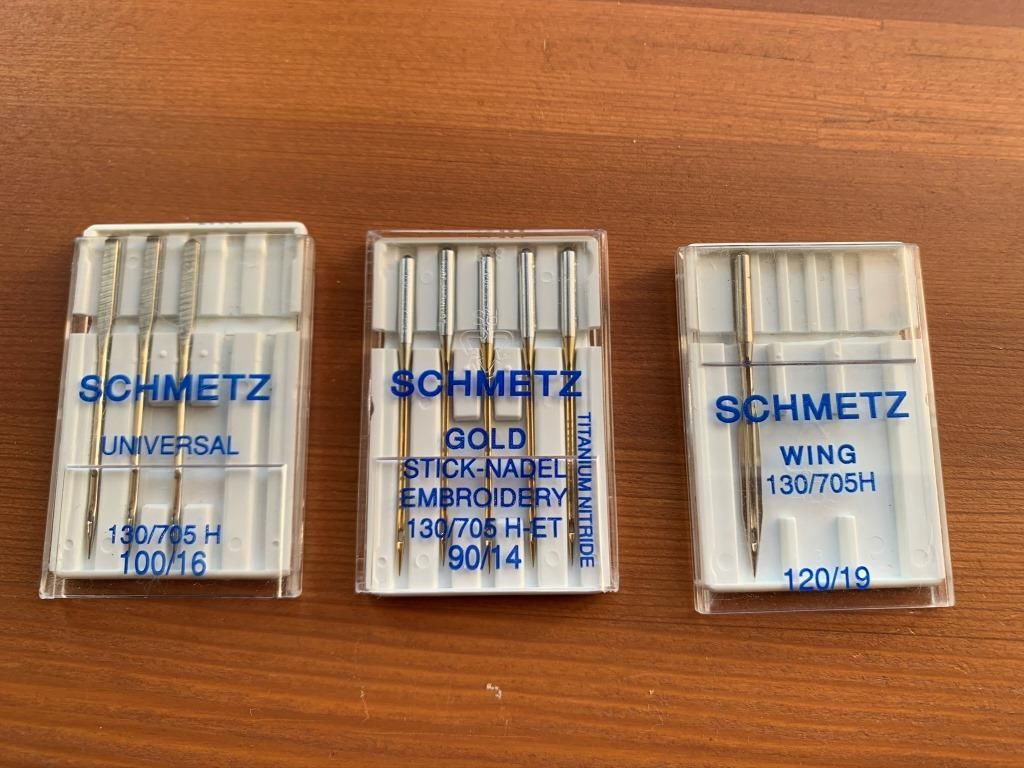
Use needles specifically designed for machine embroidery.
Embroidery needles have a larger eye than standard universal needles, which helps reduce thread friction and abrasion when stitching at high speeds.
A size 80/12 is suitable for many projects, but always choose the needle size according to the fabric and thread you are using.
As a general rule:
– lighter fabrics → smaller needles
– heavier fabrics → larger needles
Titanium Needles
Titanium-coated embroidery needles are more expensive, but they can last longer.
They are especially useful when working with adhesive-backed stabilizers because the titanium coating can help prevent adhesive residue from building up on the needle.
Stabilizer
After thread and needles, stabilizer is one of the most important supplies for successful machine embroidery.
If you are just starting out, I recommend having at least two basic types:
– tear-away stabilizer,
– water-soluble stabilizer.
Tear-Away Stabilizer
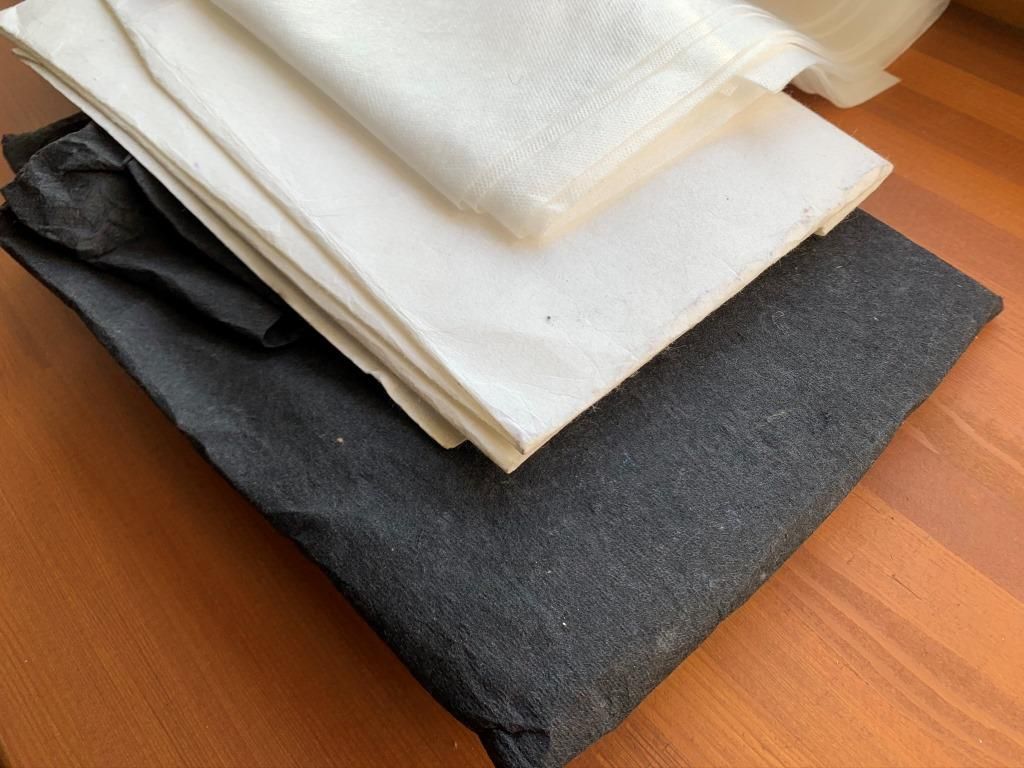
Tear-away stabilizer is a versatile choice for many different fabrics and embroidery projects.
Water-Soluble Stabilizer
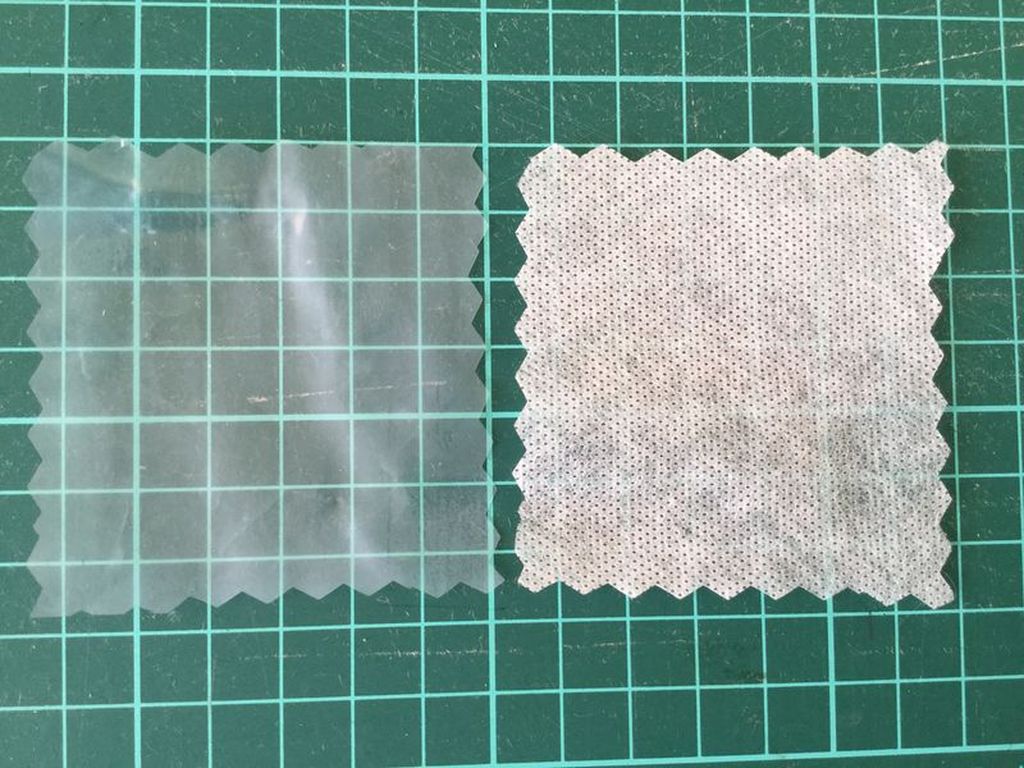
Water-soluble stabilizer is essential for freestanding lace (FSL) embroidery.
It can also be used as a topper on fluffy or textured fabrics, such as towels, helping prevent the embroidery stitches from disappearing into the fabric pile.
There are different types of water-soluble stabilizer. Some have a more fabric-like texture, while others have a smooth, plastic-like appearance.
I prefer the fabric-like type.
Cut-Away Stabilizer
You can also add cut-away stabilizer to your supplies.
It is particularly useful for stretchy or knitted fabrics because it provides permanent support to the embroidery after stitching.
Whatever type you choose, stabilizer quality matters. Good stabilization can make a significant difference to the final embroidery.
Temporary Spray Adhesive
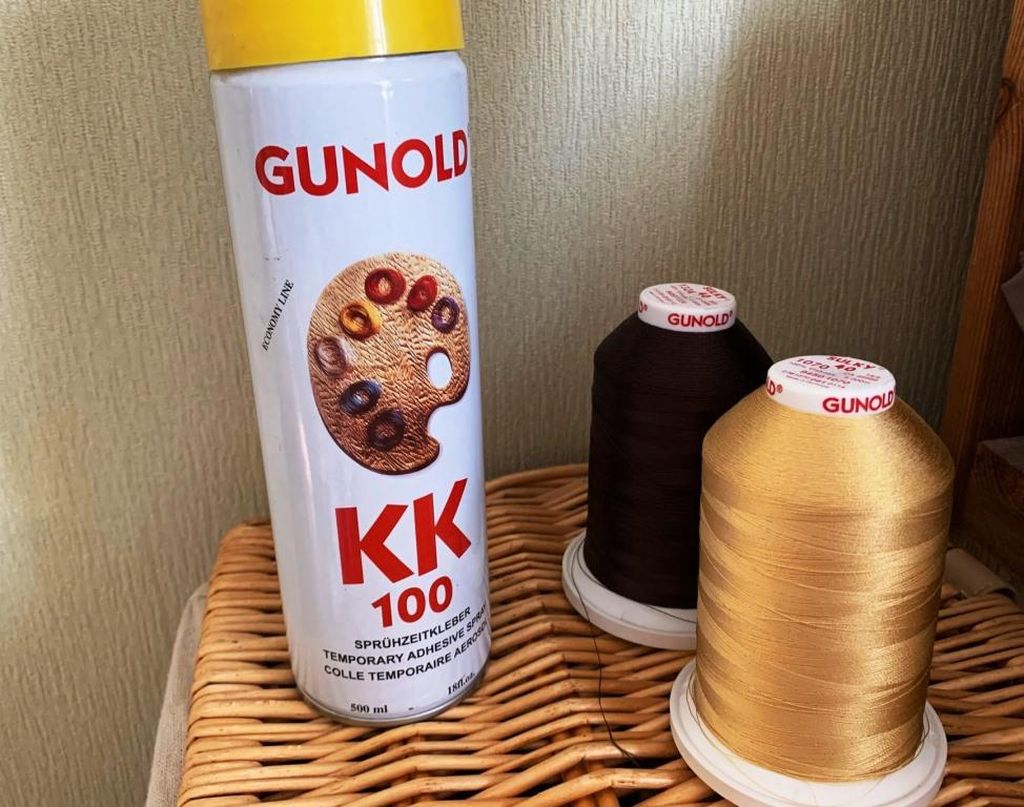
Temporary embroidery spray adhesive is not something you need for every project, but it can be very useful when working with difficult or slippery fabrics.
Apply the temporary adhesive to the stabilizer or to the wrong side of the fabric, depending on the product instructions. It helps prevent fabric layers from shifting during embroidery.
You may come across advice to glue two layers of stabilizer together before attaching them to the fabric.
Personally, I don’t do this. I find it unnecessary for my projects.
Accessories
A few simple accessories can make machine embroidery much easier.
Small Scissors or Thread Snips
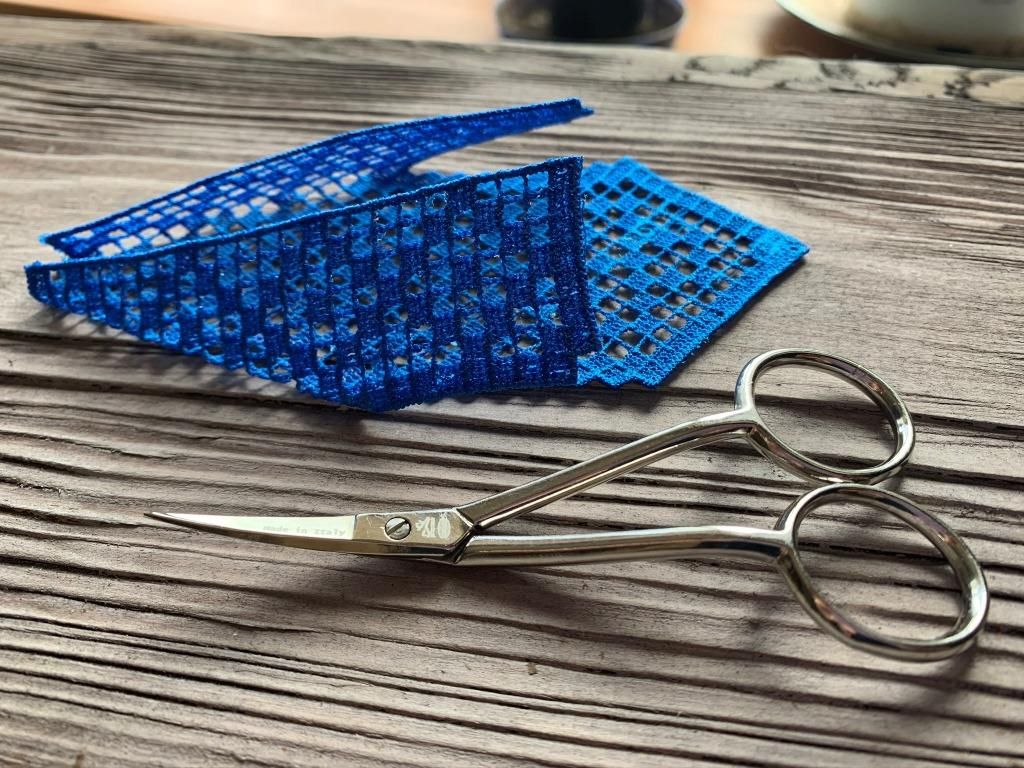
Small scissors or curved-tip thread snips are useful for trimming thread tails and cleaning up the back of your embroidery.
Painter’s Tape
Painter’s tape is especially useful for In-the-Hoop (ITH) projects, such as zipper pouches.
It can hold pieces in position during embroidery and is easy to remove afterward.
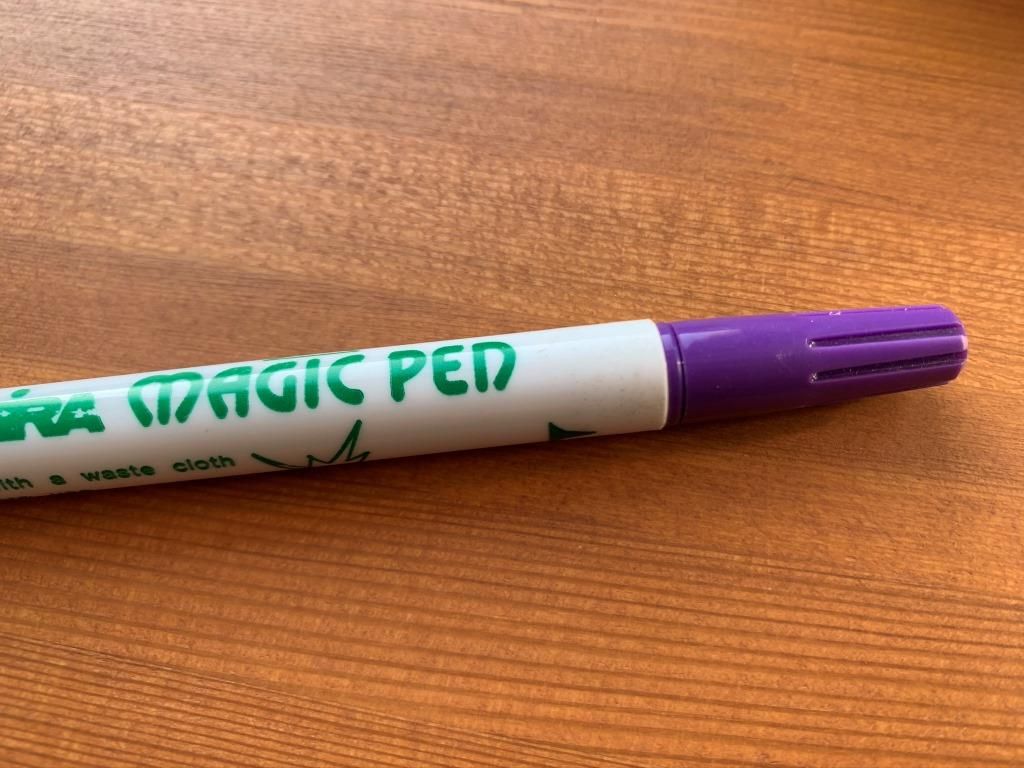
Marking Pen or Pencil
A fabric marking pen or pencil is useful for drawing center lines and other placement marks to help position your design accurately.
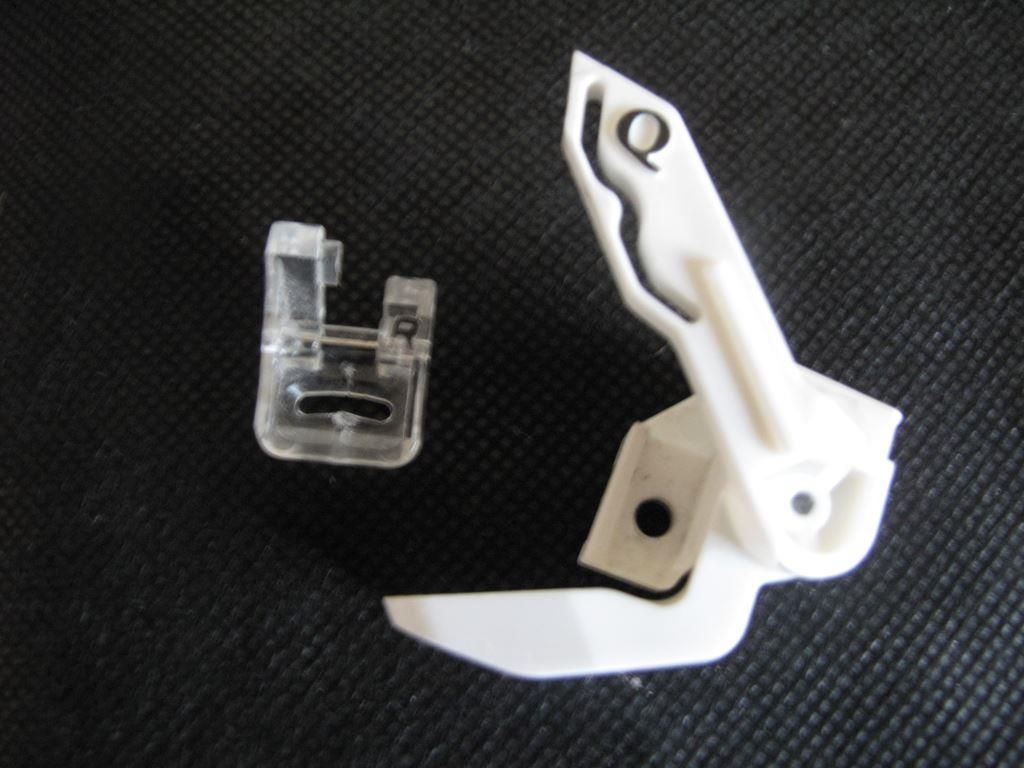
Embroidery Foot
If your embroidery machine uses a special **“Q” foot**, it is useful to have one available.
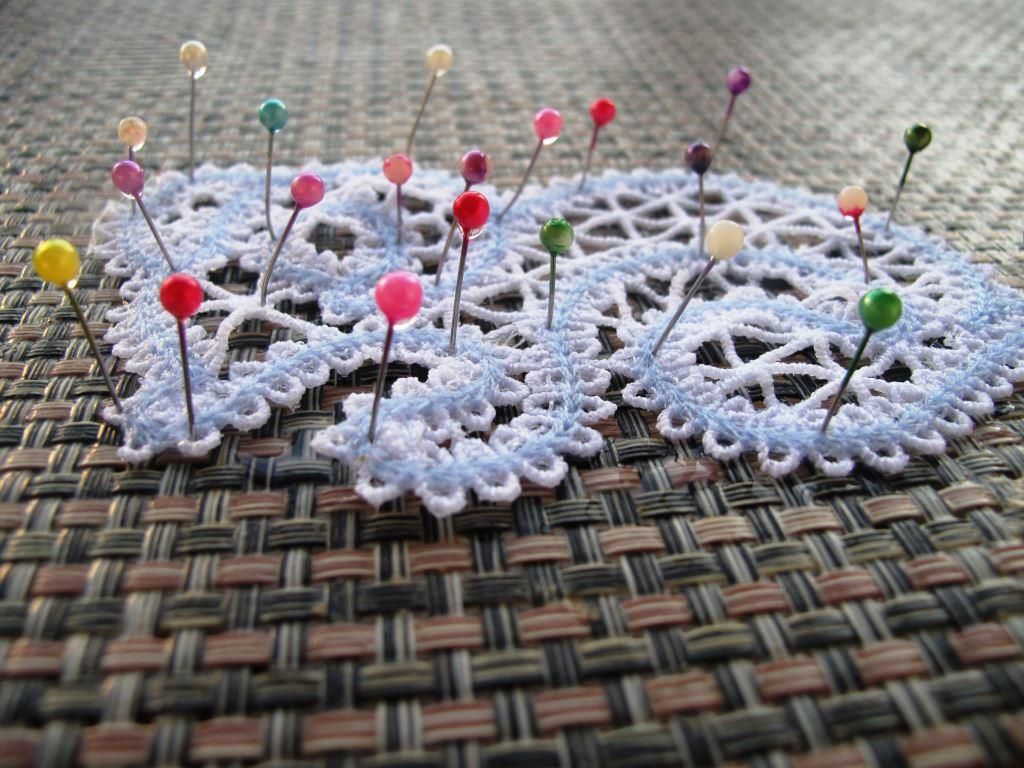
Pins
Pins are useful when working with FSL, especially when securing lace pieces before rinsing away the water-soluble stabilizer.
Start with the Basics
You don’t need every embroidery accessory available on the market to get started.
A few good hoops, quality embroidery thread, appropriate needles, reliable stabilizer, and a handful of simple accessories are enough for many projects.
As you gain experience, you’ll naturally discover which tools and materials work best for your machine, your fabrics, and the techniques you enjoy most.
Enjoy your machine embroidery!